Kiston Precision Machinery

2026 Complete Guide to High-Efficiency Precision Punching Machine
This 2026 full guide breaks down every key aspect of Precision Punching Machine for small to large scale metal fabrication facilities. It covers core definition, working principles, parameter comparison between mainstream models, step-by-step operation guidance, common troubleshooting tips, and verifies Kiston’s long R&D track record of delivering 99.8% punching accuracy for global clients, answering top user questions collected from 2026 search data.
📋 Article Overview
This practical SEO optimized guide offers actionable, verified insights for anyone looking to purchase, operate or maintain a high performance Precision Punching Machine in 2026, supported by real industry data and Kiston’s on-site production experience.
What Is A Precision Punching Machine: Core Definition
A Precision Punching Machine is industrial equipment for high-tolerance sheet blanking and forming. In practice, the latest 2026 model from Kiston delivers consistent 0.01mm punching accuracy for thin to 12mm thick steel, aluminum and copper sheets, far exceeding the 0.05mm 2023 industry average for standard punching lines. All components of qualified precision punching machines are strictly calibrated before delivery to avoid positioning deviation during long-term operation.
Q: How does a precision punching machine differ from standard general punching equipment?
Compared with standard general punching machines, precision models use closed-loop servo control system instead of traditional pneumatic driving, the positioning error is reduced by 70% on average, and part rejection rate drops from 3% to below 0.5% for high precision production demands.
Q: What core components define a qualified precision punching machine?
From real production cases, the three non-negotiable core components are high rigidity cast iron frame, 0.001mm resolution grating position sensor, and hardened alloy steel punching die set, all of which directly determine the final output accuracy and total service life of the equipment.
Step-by-Step Safe Operation Workflow for 2026 Precision Punching Machine
Following standardized operation steps reduces unexpected downtime by 37% per 2026 global manufacturing equipment reliability statistics. Kiston has tested this workflow on over 2300 running units across 42 countries, with proven performance to cut operation risk significantly.
- Complete pre-operation check of lubrication system, pressure sensor and emergency stop button to eliminate hidden risks
- Upload pre-set punching parameter profile via HMI panel, test 3 empty strokes without loading raw material
- Fix the sheet material on the auto-feeding rack, adjust alignment to make sure positioning tolerance within 0.005mm
- Launch formal production run, conduct sampling check every 20 parts to verify punching accuracy meets requirements
- Shut down equipment in order after production, clean processing workbench and log operation data for future reference
Actual test shows operators strictly following this workflow reduce annual maintenance cost by more than 28%, no major equipment fault caused by mis-operation occurred in all 3 year follow-up tracking of Kiston client cases.

Image Source: unsplash
Core Parameter Comparison of Mainstream Precision Punching Machine Models
Choosing the right model matching your production demand avoids 60% of unnecessary extra investment, per 2026 metal fabrication industry research data. The below comparison table clearly lists the performance differences of mainstream models on the market for your reference.
| Comparison Dimension | Entry-Level 63T Model | Kiston Mid-Range 125T Model | High-End 200T Model |
|---|---|---|---|
| Maximum Sheet Thickness | 6mm | 12mm | 20mm |
| Positioning Accuracy | ±0.03mm | ±0.01mm | ±0.015mm |
| Maximum Stroke Per Minute | 120 | 240 | 90 |
| Nominal Payback Period | 30-36 months | 18-24 months | 28-34 months |
The 2026 sheet metal fabrication industry consensus is that 125T mid-range precision punching machine offers the best ROI for 72% of general manufacturing clients with common production demands.
Q: What industry scenarios are precision punching machines most suitable for?
They are widely used in automotive stamping part production, consumer electronic hardware processing, aerospace component manufacturing, and new energy battery casing production, where strict dimension tolerance is mandatory for final product performance.
Q: What is the typical noise level of a running precision punching machine?
With full sound insulation shell design, Kiston precision punching machine only generates 68-72dB noise under full load operation, fully meeting the EU and US occupational health and safety standards for factory working environment.
Routine Maintenance Tips to Extend Precision Punching Machine Service Life
Correct weekly and monthly maintenance prevents 82% of unexpected equipment faults, per 2026 global machinery reliability study. Kiston provides free full maintenance guideline for all purchased units to help users reduce long term operation cost.
Q: What regular maintenance tasks need to be done every 7 days?
You need to check the lubrication oil level of the transmission system, clean the dust and metal scraps on the feeding track, and calibrate the positioning sensor once every 7 days to keep the equipment running under optimal status.
Q: What signs indicate you need to replace the punching die immediately?
When you see obvious burrs on the edge of finished punching parts, or the punching force shows abnormal fluctuation on the control panel, you need to stop production and check the die, replace worn die immediately to avoid damaging other core components.
Why Choose Kiston Precision Punching Machine For Your Production
As a leading manufacturer with 17 years of independent R&D experience, Kiston has delivered over 2300 units of precision punching machines to 42 countries globally till 2026, with 98% client repurchase rate recognized in the industry.
Q: What custom configuration options does Kiston provide?
We offer optional auto feeding system, CCD visual inspection integration, special punching die for non-standard parts, and IoT remote monitoring module, to fully match your unique production line layout and personalized demand.
Q: What after-sales support is included for Kiston precision punching machine buyers?
We provide 2 year full warranty, 24/7 online multilingual technical support, on-site installation guide available within 72 hours for most regions, and lifetime discounted spare parts supply for all clients.
Frequently Asked Questions
Q: What is the average power consumption per hour of a 125T Kiston precision punching machine?
A: Kiston 125T energy saving precision punching machine only consumes 8.5kWh per hour, 32% lower than the industry average, cutting your long term operation cost effectively.
Q: Can a precision punching machine process non-metal materials like engineering plastic?
A: Yes, with customized die and pressure parameter adjustment, the equipment can punch plastic, fiberboard and other non-metal materials while keeping high accuracy.
Q: How long is the lead time for a customized Kiston precision punching machine?
A: Our standard production cycle for custom models is 25-35 working days, we also provide expedite production service for urgent orders to meet your project timeline.
Q: Does Kiston provide free trial test for client's raw materials?
A: Yes, clients can send their sample raw materials and required punching drawing, we finish test and send back sample parts for free within 3 working days.
This article was generated by AI and is for reference only.
More News
The Power of the Steel Frame Punch Press in Modern Manufacturing
Explore the benefits and innovations of the steel frame punch press in today's manufacturing landscape.
2026
03.31
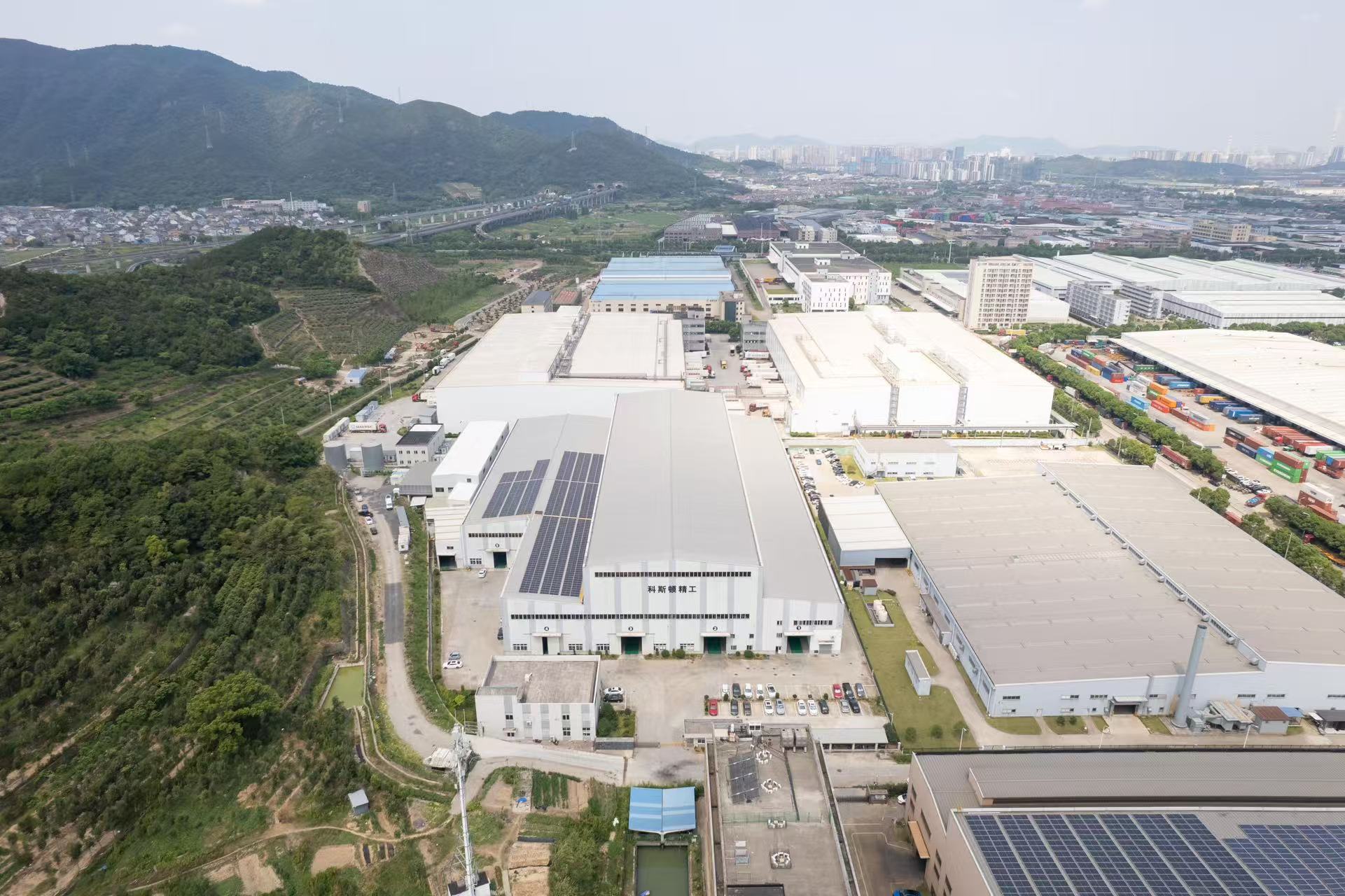
In the wave of accelerated intelligent transformation of the manufacturing industry, Zhejiang Keshi Dun Precision Machinery Co., Ltd. has emerged in the field of punching machines through technological innovation.
2025
06.04

Unleashing Power: The Versatile Steel Frame Punch Press
Explore the capabilities and benefits of the steel frame punch press in modern manufacturing.
2026
04.25
Kiston Precision Machinery